Tips for Cleaning Your Tires

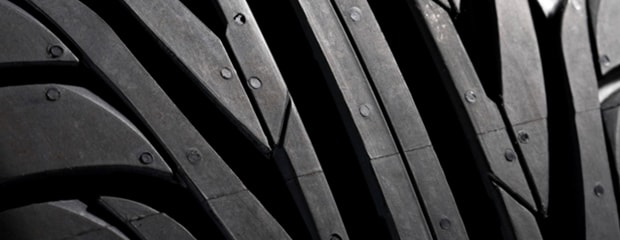
Most people think that cleaning car tires is not as much important as possible. It happens due to caustic degreasers used to clean a tire protectant. Car tires have antiozonants, UV absorbers and rubber conditioners that maintain the car’s tire flexibility. Using wrong cleaners can cause leakage.

How to Clean Tires

Before you wash your vehicle, you may want to clean the tires. By doing so, you will be eliminating grime that splashes on the already clear car panels. Use a separate brush and wash bucket.

  • Step one: Select a proper cleaning agent for your wheels. If unsure, consider…
Read More

Change Engine Oil Even if You Drive Few Miles

These days, many people aren't driving their cars as much. Newer motor oils don't require you to change the oil as frequently, as some lubricants have intervals as high as 15,000 miles. However, you still need to change the oil in your vehicle, even if you don't drive much. Here's why.

If you have a late model vehicle, it may remind you to change the oil. Most newer cars track how many miles you have traveled since your last oil change by displaying a reminder on your dashboard. When you see one of these reminders…

Read More

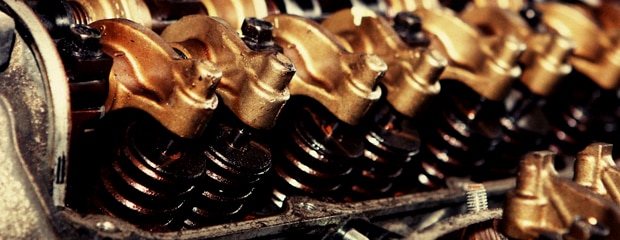
How to Clean Your Car’s Engine

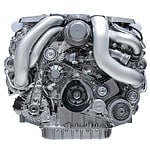
Everybody gets a good feeling when their car is clean. However, cleaning the body of the car is not enough. Cleaning the car's engine is equally important as cleaning its body. Here are a few steps on how to easily clean an engine.

Refresh 

Ensure to cool off your engine for at least 20 minutes. A hot engine can burn you. Cooling off the engine with cold water can cause damage to the engine.

Disconnect 

Remove the plastic covers for they can be washed separately. Also, remove the batteries' negative terminals to protect them from getting damaged.

Cover

Cover…

Read More

Avoiding Hydroplaning Like a Champ

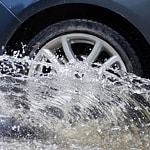
It is undoubtedly a scary sensation to be caught up in a hydroplaning incident. This happens when a vehicle's tires come across more water on the road than they can disperse, leading to a slide or skid across the wet surface. The vehicle safety experts at Hendrick MINI want you to know how you can avoid hydroplaning.

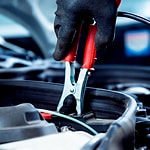
The best preventative measure that you can take to reduce your risk of hydroplaning is to always keep your tires properly inflated. You should also rotate and replace your tires as recommended by your trusted mechanic.


Read More

Use a Multimeter to Test Your Vehicle's Battery Power

There could be many reasons why you have trouble starting your vehicle. Your battery is likely the culprit. The battery creates the spark that is needed to turn on the engine. Here is one way you can test the voltage of your vehicle’s battery.
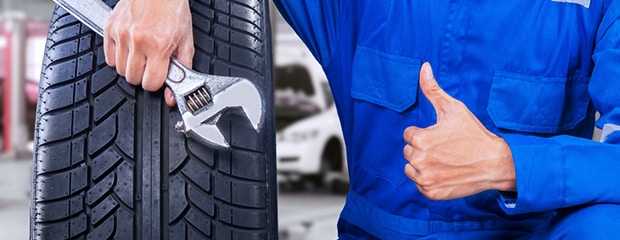
A multimeter is a common way to test your battery at home. This device measures the battery’s voltage and lets you know how much power is in the battery. You want to make sure the battery and battery terminals are free of debris and corrosion. When you touch the multimeter probes to the battery…

Read More

Signs Your Tires Need to Be Replaced

Tire age, tread and weather exposure are three things that can reveal whether you need to get new tires. There is no general recommendation for replacing tires. However, most manufacturers will advise that you have the tires replaced after six years. The tread can also reveal that it is time for new tires. You can look at your tires to see if the tread is worn out. You can also place a penny on the grooves. You should not be able to see Lincoln's head if you have enough tread on your tires.

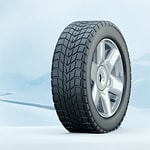
Exposure to weather elements can also…

Read More

Save Your Winter Tires for the Winter

When you drive on winter tires during the winter season, you're going to have more tread to navigate snow and ice. These tires are usually designed so that they hold up in lower temperatures, which means that you should try to avoid driving on winter tires in the summer months in Charlotte.

Higher summer temperatures and dry roads can often make winter tires wear down faster than they would during the winter months. With more tread, it can also be a bit more difficult to stop as quickly when you're traveling on roads in the summer if you…

Read More

Suspension Basics

There Are Many Different Suspension Designs

To understand suspension systems on cars, you must study the configuration on a few different makes and models.

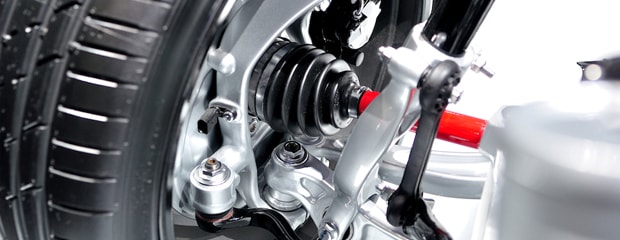
Here are a few different common suspension components that most cars have:

  • Macpherson strut

A MacPherson strut is a coil spring with a shock inside. Many cars and truck use Macpherson struts for the front suspension.

  • Leaf spring

Leaf springs consist of laminated pieces of metal joined together and mounted at each end of the axle. Leaf springs have a simple and sturdy design

Read More

Choosing the Right Car Seat for Your Child

The Federal Motor Vehicle Safety Standards sets the recommendations for car seats. Make sure that you choose a car seat that meets those standards. Many people buy used car seats because they want to save money. However, if you choose to accept a used car seat, then you will need to do so with caution. Never accept a car seat that is more than six-years-old and check the expiration date. You should also avoid buying one that is missing parts. Additionally, you should inspect the car seat for damage.


Read More

Do You Know How to Drive in the Rain?

Drivers who find it necessary to take their vehicles out during rainy weather seem to experience more stress than during other driving conditions. Whether it’s a heavy downpour or just a sprinkle, increased numbers of accidents occur when the pavement and windshield is wet. To reduce your driving stress, here are some tips you may want to remember.

If at all possible, wait for the weather to clear before hitting the road. Trust your instincts. If you feel the least bit uneasy about driving while rain is falling, reschedule your trip for a later time. 

Read More

Subscribe to Our Blog